
Weak or Warm Airflow
A dirty filter, clogged coil, failing fan motor, damaged fan wheel, or refrigeration fault can reduce cooling. The contractor checks airflow and temperature behavior before recommending a repair.
Serving Los Angeles, California & surrounding areas
Calls answered around the clock
One call connects you directly with a local contractor who repairs window air conditioners in your area.
CALL NOW: 424 577 5132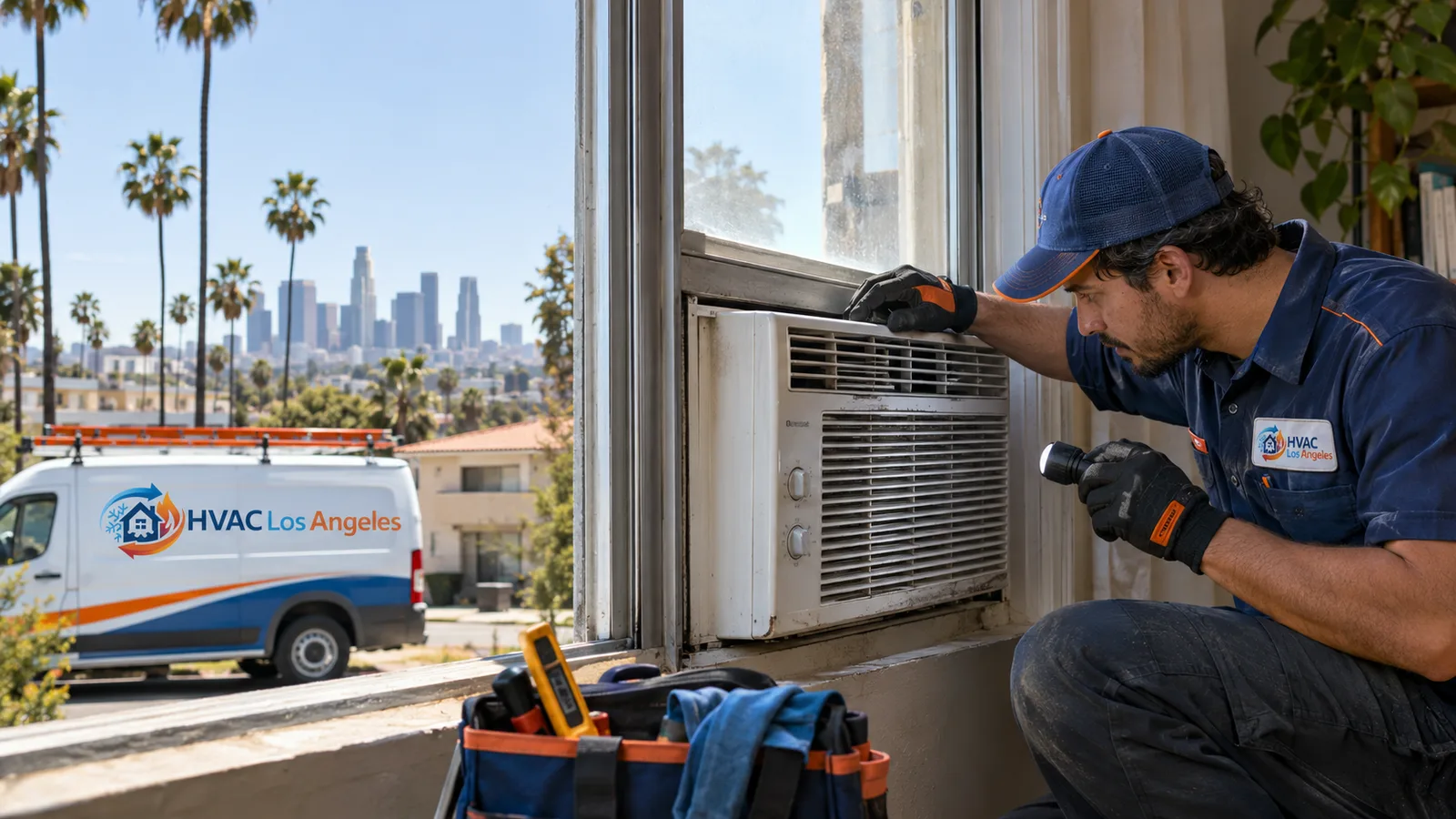
When a room stays warm, the unit drips indoors, or the fan makes an unfamiliar sound, window AC repair in Los Angeles can address the fault without assuming the whole appliance must be replaced. A contractor may inspect the controls, airflow path, fan assembly, evaporator coil, condenser coil, condensate drain, power cord, and mounting before recommending what comes next.
Los Angeles conditions can be hard on a window unit. Dust and lint restrict filters and coils, while direct afternoon sun raises the heat load on west-facing rooms. In older apartments around Koreatown, window dimensions and existing electrical circuits can limit replacement choices. Apartments in Hollywood may have similar installation constraints, while coastal air around Venice can contribute to corrosion on exposed metal components.
HVAC Los Angeles connects callers with local hvac contractors across the Los Angeles area who handle window air conditioner diagnosis and repair. There is no form or email wait. You speak with the contractor directly, receive the quote from that contractor, and decide whether to proceed.
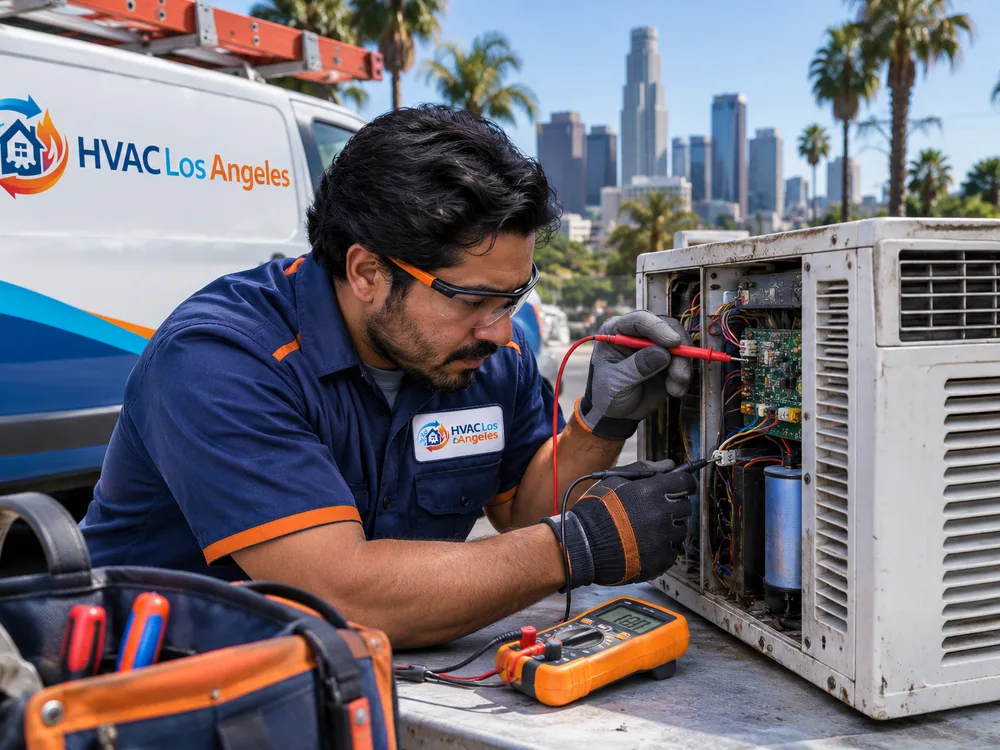
A dirty filter, clogged coil, failing fan motor, damaged fan wheel, or refrigeration fault can reduce cooling. The contractor checks airflow and temperature behavior before recommending a repair.
Indoor dripping may result from a blocked condensate path, an incorrect installation angle, ice on the evaporator coil, or a damaged drain pan. The mounting and drainage path should be checked together.
The fault may involve the outlet, plug, power cord, control board, thermostat sensor, capacitor, or compressor. A contractor can separate a household power problem from a fault inside the appliance.
Rattling can come from a loose cabinet, mounting hardware, fan wheel, or internal fastener. Grinding, humming, and repeated clicking point to different mechanical or electrical checks.
Restricted airflow, a misplaced temperature sensor, control problems, or a refrigeration issue can cause short cycling or frost. Running a frozen unit can worsen the problem.
The contractor can compare the failed component, unit condition, cooling capacity, window fit, and electrical requirements. The homeowner receives the recommendation and chooses what to do.
Call, enter your ZIP code, and you are connected with a local contractor who serves that area. You talk with the contractor directly and decide what happens next.
The contractor may begin with the outlet, plug, controls, filter, and visible installation. Further checks can include the capacitor, fan motor, sensors, coils, drainage system, and compressor operation.
The contractor explains the observed fault and whether a repair is practical. If a replacement is recommended, window dimensions, room load, plug type, circuit capacity, and mounting method should be considered.
When work proceeds, the relevant component is repaired or replaced. The contractor can then run the unit to check airflow, cooling behavior, vibration, drainage, and control operation.
A noisy, leaking, or nonworking window air conditioner does not need another round of contractor searches. One call connects you directly with a local contractor who handles this work.
CALL NOW: 424 577 5132
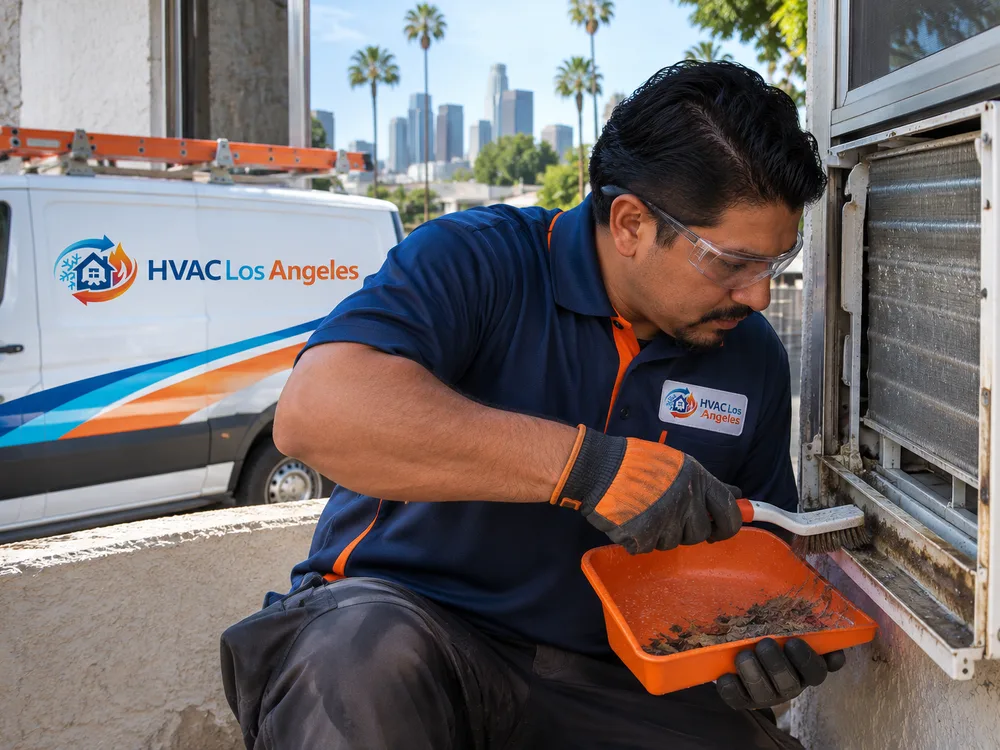
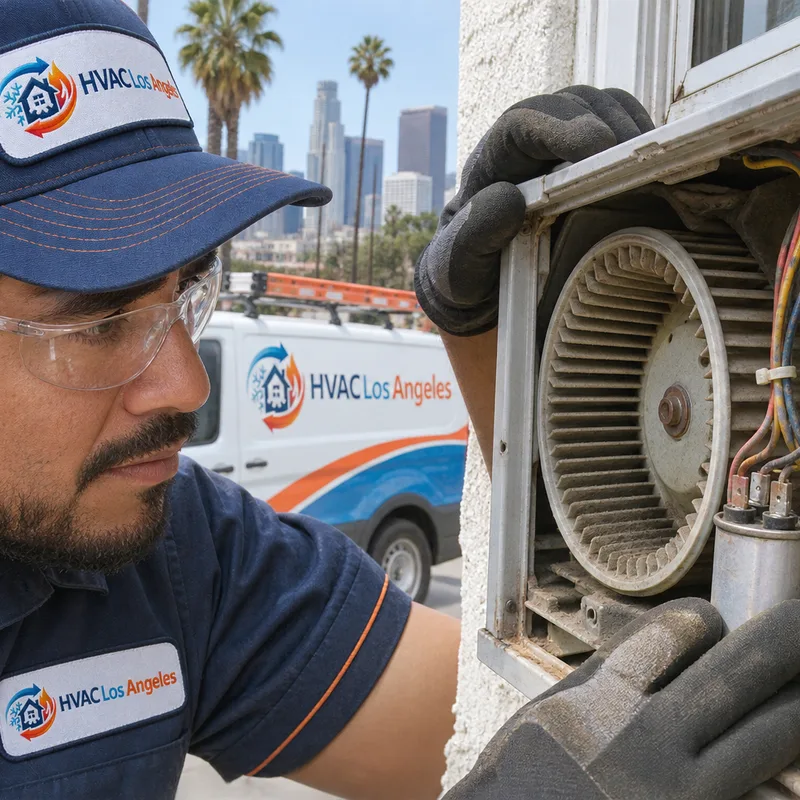
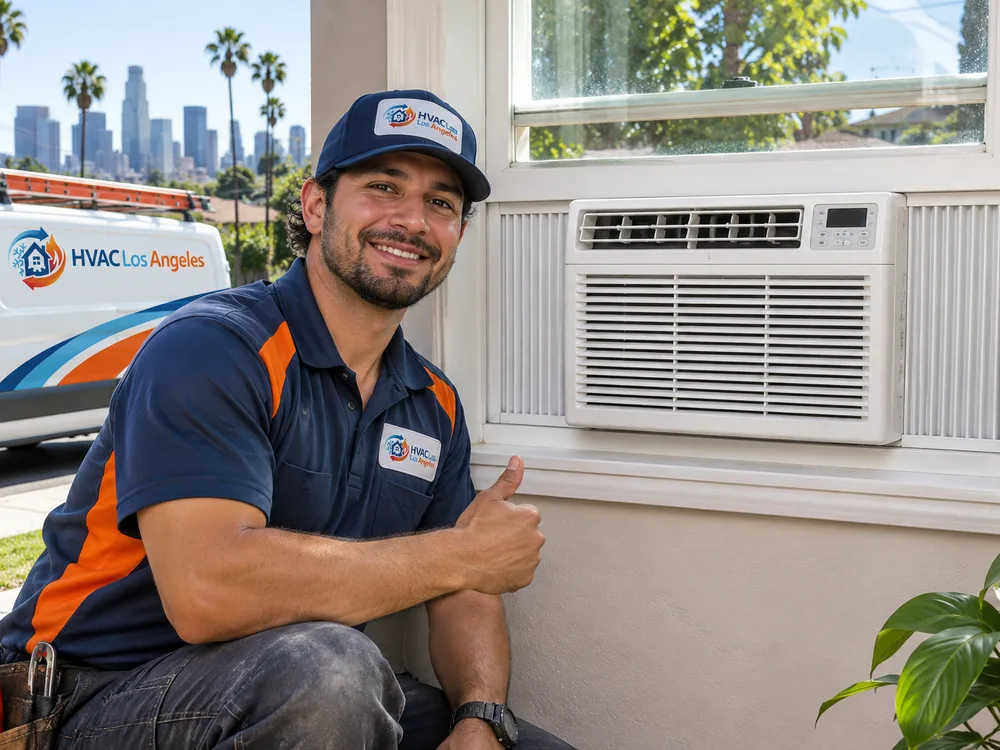
A contractor should diagnose the specific fault before recommending replacement. The decision can depend on the failed part, cabinet and coil condition, corrosion, refrigerant-system condition, window fit, and whether the unit has suitable cooling capacity for the room. Ask the contractor to explain which component failed and what the proposed work includes.
Indoor leakage often points to a blocked condensate path, evaporator icing, a damaged pan, or a unit that is not mounted with the proper outward drainage angle. Shut the unit off if water is approaching the outlet, cord, wall cavity, or flooring, then have the installation and internal drain path examined.
Warm air can result from restricted airflow, dirty coils, a fan problem, a temperature-sensor fault, control trouble, or a refrigeration-system failure. The contractor can compare the return and supply air, inspect the coils and fan, and determine whether the compressor is operating.
The contractor can diagnose the appliance, but repeated breaker trips may also indicate a problem with the outlet or branch circuit. Stop resetting the breaker repeatedly. A contractor can check the cord, plug, capacitor, motor, compressor, and visible wiring, then advise if separate electrical work is appropriate.
Turn the cooling mode off and allow the ice to thaw before further operation. Ice blocks airflow and can hide the original fault. A contractor may inspect the filter, evaporator coil, fan, temperature sensor, and refrigeration system after the unit has thawed.
Ask which component failed, what work is included, whether parts are available for the model, and how the unit will be tested afterward. You can also ask about warranty terms, the condition of the mounting hardware, and whether repair or replacement makes more sense for the unit's condition.
Call and get connected with a local window air conditioner contractor who serves your area. You speak with the contractor directly about the repair and choose whether to proceed.