AC replacement · Los Angeles

AC Replacement Los Angeles

One call connects you directly with a local air conditioning contractor who handles complete system replacement.

CALL NOW: 424 577 5132
✓ One call instead of many ✓ Direct contractor conversation ✓ You decide what happens next
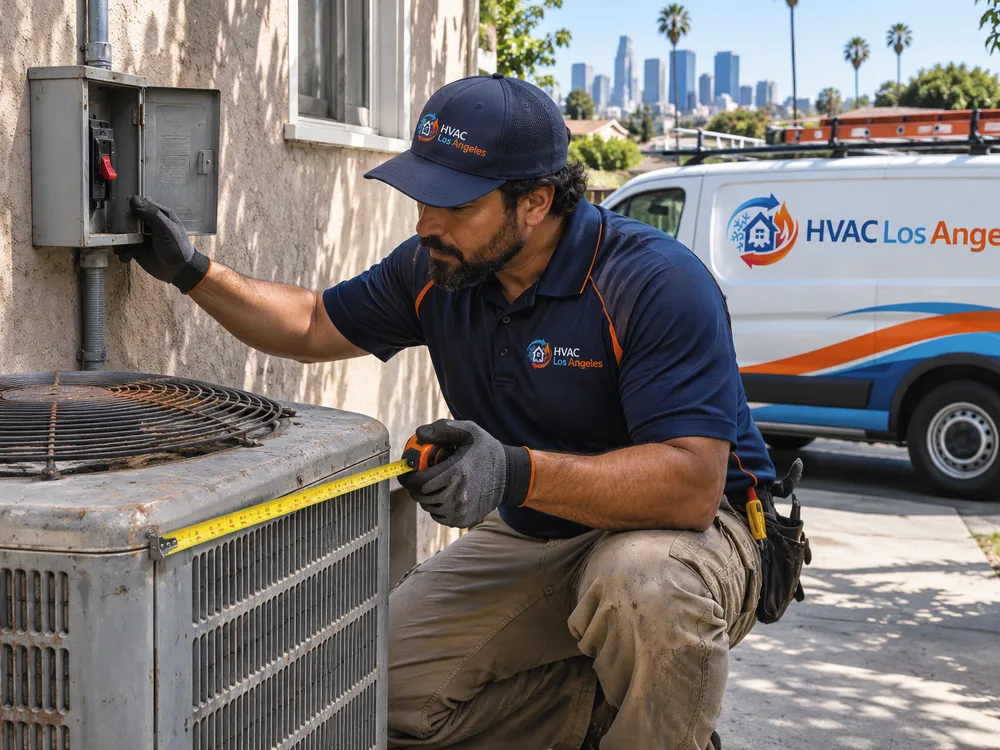
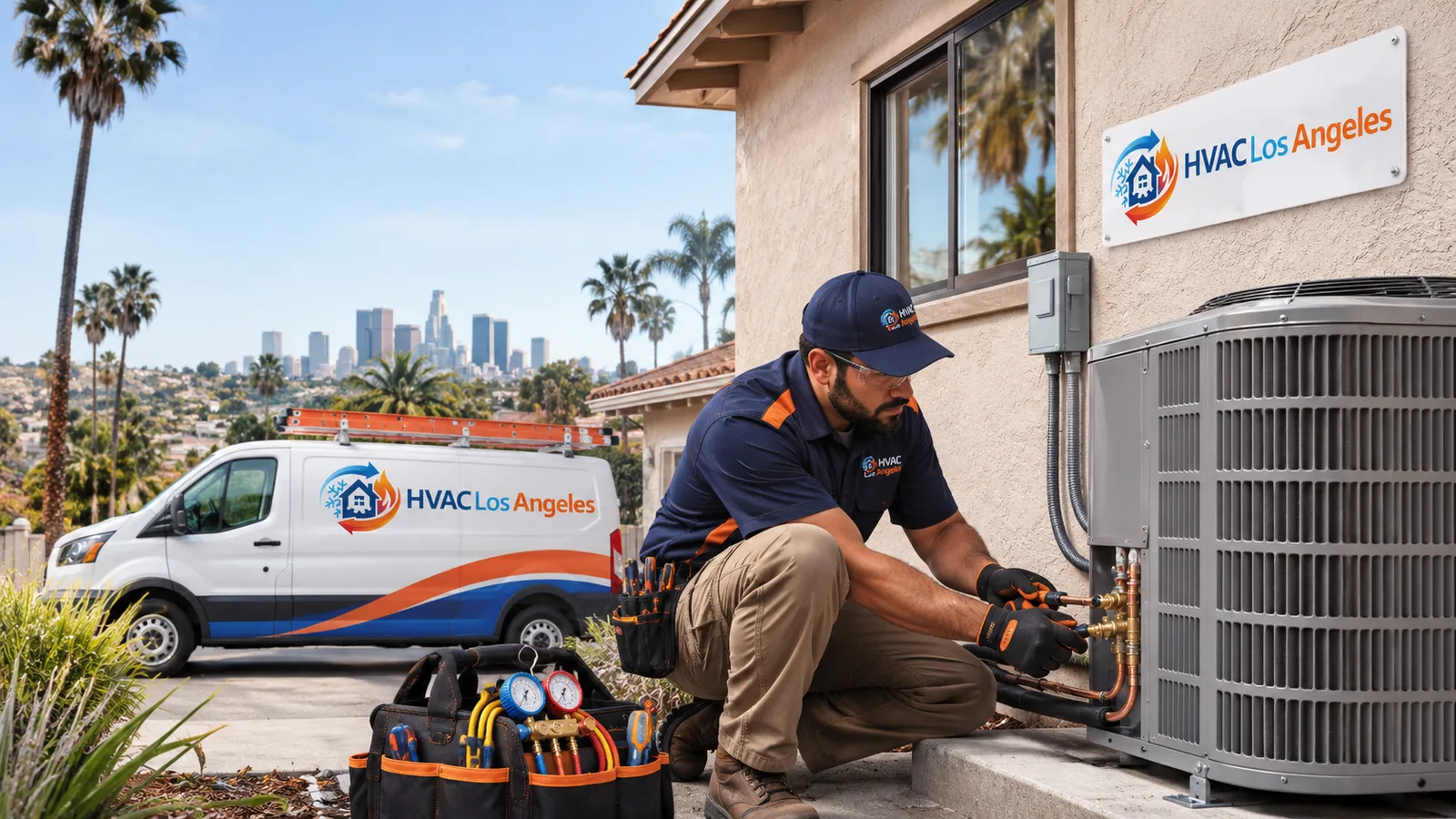
A contractor installing a residential outdoor air conditioning condenser beside a Los Angeles home, with clean refrigerant and electrical connections visible
Replacement planning

Planning an AC Replacement in Los Angeles

AC replacement Los Angeles work involves more than exchanging an outdoor condenser. A complete split-system replacement may include the condenser, indoor evaporator coil, air handler or furnace interface, refrigerant lines, electrical disconnect, condensate drainage, thermostat, and equipment pad. The contractor should determine which components need replacement and whether existing parts are compatible with the proposed system.

Los Angeles cooling needs vary by microclimate and building design. A home near the coast may face milder summer temperatures than a property in the San Fernando Valley. Older houses in neighborhoods such as West Adams may have limited electrical capacity, tight equipment clearances, or ductwork added long after construction. Hillside properties can present difficult equipment access, while dense lots in Koreatown may require careful attention to condenser placement and sound.

We connect callers with hvac la companies across the Los Angeles area that handle residential AC replacement. You speak with the contractor directly, discuss the home and existing system, receive the quote from that contractor, and decide whether to proceed.

Replacement often makes sense when an aging unit has a major compressor or coil failure, uses a refrigerant that complicates future service, breaks down repeatedly, or can no longer cool the home evenly. High electricity use, long operating cycles, unusual noise, and persistent humidity can also justify a full system assessment. A contractor should inspect the equipment before recommending replacement because poor airflow, damaged ducts, thermostat faults, and electrical problems can produce similar symptoms.

A contractor measuring an existing residential air conditioning cabinet and inspecting the nearby electrical disconnect before replacement
A proper replacement plan starts with the existing equipment, electrical supply, ductwork, and available clearances.
System assessment

What a Contractor Should Check Before Replacing Your AC

Cooling Load

Equipment should be sized to the house rather than copied from the old unit's nameplate. A load calculation considers conditioned floor area, insulation, windows, orientation, air leakage, occupancy, and local design temperatures. Oversized equipment can cycle too often and control humidity poorly.

Ductwork and Airflow

Restricted returns, undersized ducts, disconnected runs, and leaky plenums can reduce comfort even after new equipment is installed. The contractor should assess airflow and identify duct changes needed for the proposed system.

Electrical Capacity

The installer should compare the new unit's electrical requirements with the panel, circuit, disconnect, breaker, and conductor size. Older Los Angeles homes may require electrical corrections before different equipment can be installed.

Equipment Compatibility

The indoor coil, outdoor unit, blower, metering device, and controls must work as a system. Mixing unmatched components can affect capacity, efficiency, refrigerant control, and manufacturer warranty terms.

Drainage and Placement

Condensate must drain correctly, and the outdoor unit needs manufacturer-required airflow and service clearances. Rooftop, side-yard, and hillside installations may require additional planning for access, mounting, vibration, and drainage.

Permits and Testing

The contractor should explain which permits and inspections apply to the address. Within the City of Los Angeles, the Los Angeles Department of Building and Safety handles building permits and inspections, while requirements can differ in other local jurisdictions.

What Happens During an AC Replacement

  1. 01

    Call and connect directly

    Call the number shown and enter your ZIP code. You are connected directly with a local air conditioning contractor who serves that ZIP, with no form or email wait.

  2. 02

    Contractor evaluates the system

    The contractor examines the existing equipment, duct connections, electrical supply, drainage, thermostat, access, and cooling requirements. You can ask which components are included, what changes are recommended, and why.

  3. 03

    You review the proposed scope

    The contractor provides the quote and explains equipment capacity, efficiency ratings, controls, permit responsibilities, installation details, and warranty terms. You decide whether the proposed work meets your needs.

  4. 04

    Old equipment is removed

    The installer recovers the existing refrigerant using appropriate equipment, disconnects power, removes the units included in the scope, and prepares the mounting and connection points.

  5. 05

    New equipment is installed and commissioned

    The contractor sets the equipment, completes refrigerant, electrical, drain, duct, and control connections, then starts and tests the system. Commissioning may include airflow checks, temperature measurements, refrigerant charge verification, drain testing, and thermostat setup.

CALL NOW: 424 577 5132

Skip the search through multiple contractor listings. One call connects you with a local AC contractor, and you talk directly about replacement options for your home.

CALL NOW: 424 577 5132
Installation details

Key Parts of a Complete Replacement

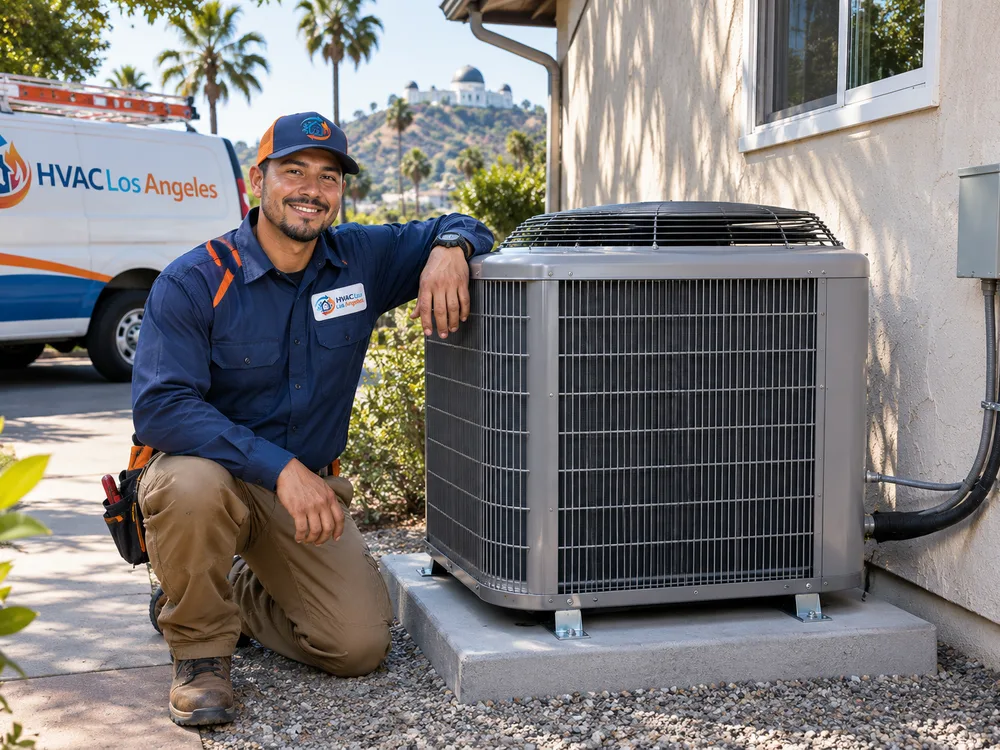
A newly installed residential outdoor AC condenser sitting level on a stable equipment pad with proper wall clearance
Outdoor equipment needs a level base and adequate airflow clearance.
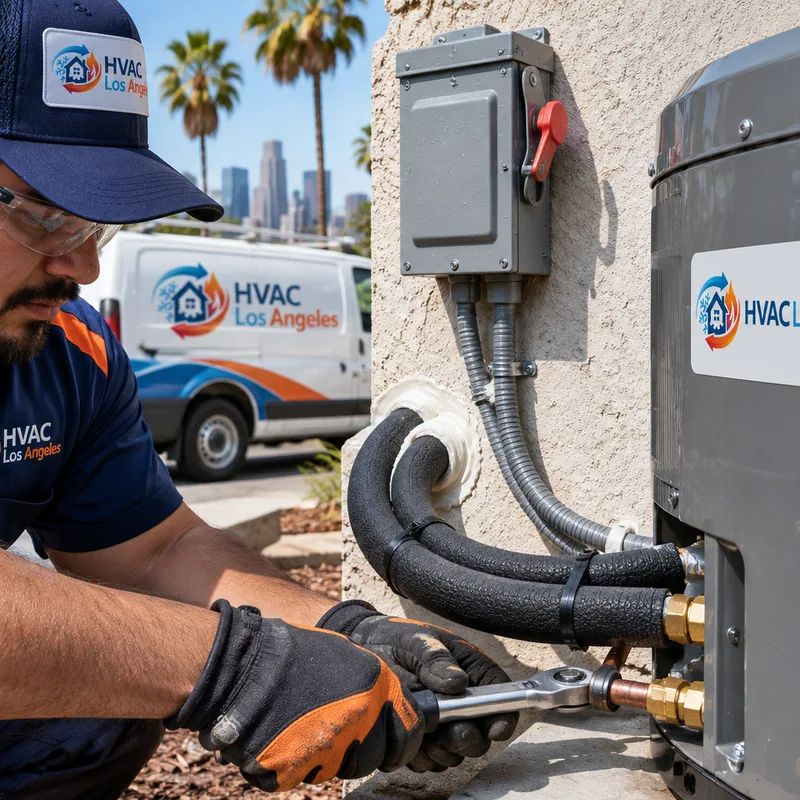
Close-up of insulated refrigerant lines, a weatherproof electrical disconnect, and neatly sealed wall penetrations at a new condenser
Refrigerant, electrical, and wall connections should be protected and finished cleanly.
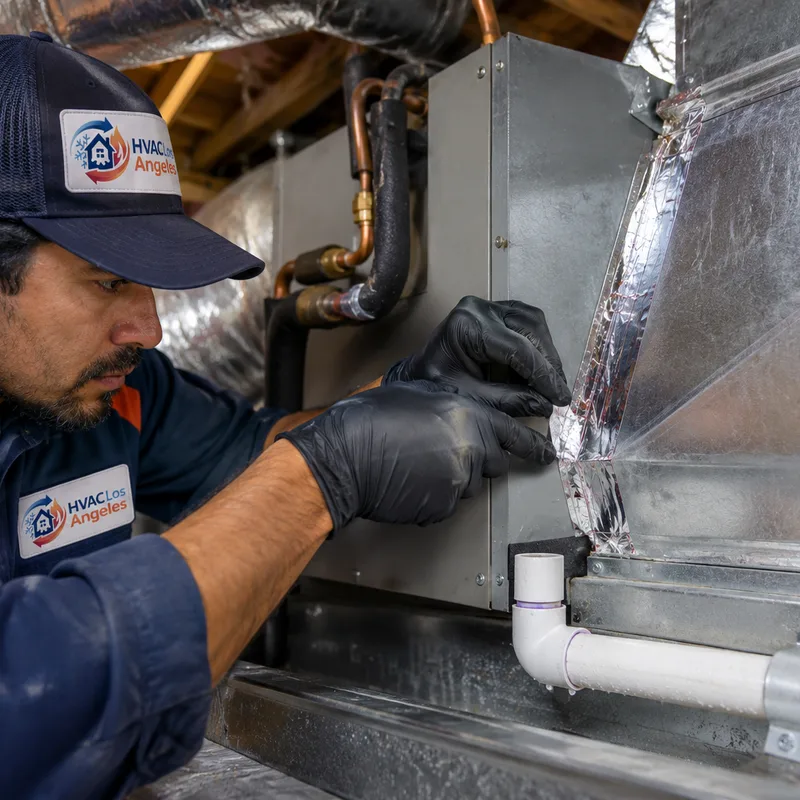
An indoor evaporator coil and supply plenum connection with sealed sheet-metal transitions and a condensate drain
Indoor transitions and drainage affect airflow, efficiency, and moisture control.
Decision support

AC Replacement Questions

Should I replace the indoor and outdoor AC units together?

Matched indoor and outdoor components are often the soundest choice because capacity, refrigerant metering, blower performance, and controls are designed to operate together. The contractor should verify whether any existing component is approved for use with the proposed equipment and explain the practical effect of retaining it.

How should a replacement AC system be sized?

A replacement system should be sized using the home's cooling load, not square footage alone or the capacity of the old unit. Ask whether the contractor considered insulation, windows, sun exposure, air leakage, duct conditions, ceiling height, and the temperature patterns associated with your part of Los Angeles.

Can existing ductwork stay in place?

Existing ducts can remain when they are properly sized, reasonably tight, supported, and capable of delivering the airflow required by the new system. A contractor may recommend sealing, return-air changes, new transitions, or replacement of damaged sections if the duct system would restrict the new equipment.

Do I need a heat pump or a conventional air conditioner?

The right choice depends on the home's heating setup, electrical capacity, comfort goals, equipment location, and intended use. A heat pump provides cooling and electric heating, while a conventional air conditioner is typically paired with a separate heating source. Ask the contractor to compare the proposed configurations and explain any electrical or duct changes.

What efficiency ratings should I compare?

Compare the rated efficiency of the complete matched system rather than one component in isolation. Depending on the equipment type, the contractor may discuss SEER2, EER2, and HSPF2 ratings, along with blower type, staging, sound levels, and expected operation under local summer conditions.

What should be included in an AC replacement quote?

The written scope should identify the equipment, model or performance category, components being replaced, duct or electrical modifications, thermostat work, condensate provisions, permits, disposal, commissioning, and warranty terms. Clarify any exclusions directly with the contractor before authorizing the work.

Will AC replacement require a permit in Los Angeles?

Mechanical and related electrical work may require permits and inspections, depending on the address and scope. Properties within the City of Los Angeles fall under city requirements, while incorporated cities and unincorporated county areas can have different authorities. The contractor should identify the applicable jurisdiction and state who handles each permit.

Ready to Discuss Replacing Your AC?

One call connects you with a local contractor who handles complete air conditioning replacement in your area. You speak with the contractor directly, review the proposed work and quote, and decide what happens next.

CALL NOW: 424 577 5132