Ignition and Burner Problems
A contractor may inspect the igniter or pilot assembly, gas valve operation, flame sensor, burner condition, and the control board's sequence of operation.
Serving Los Angeles, California & surrounding areas
Calls answered around the clock
One call connects you directly with a local furnace contractor who serves your area.
CALL NOW: 424 577 5132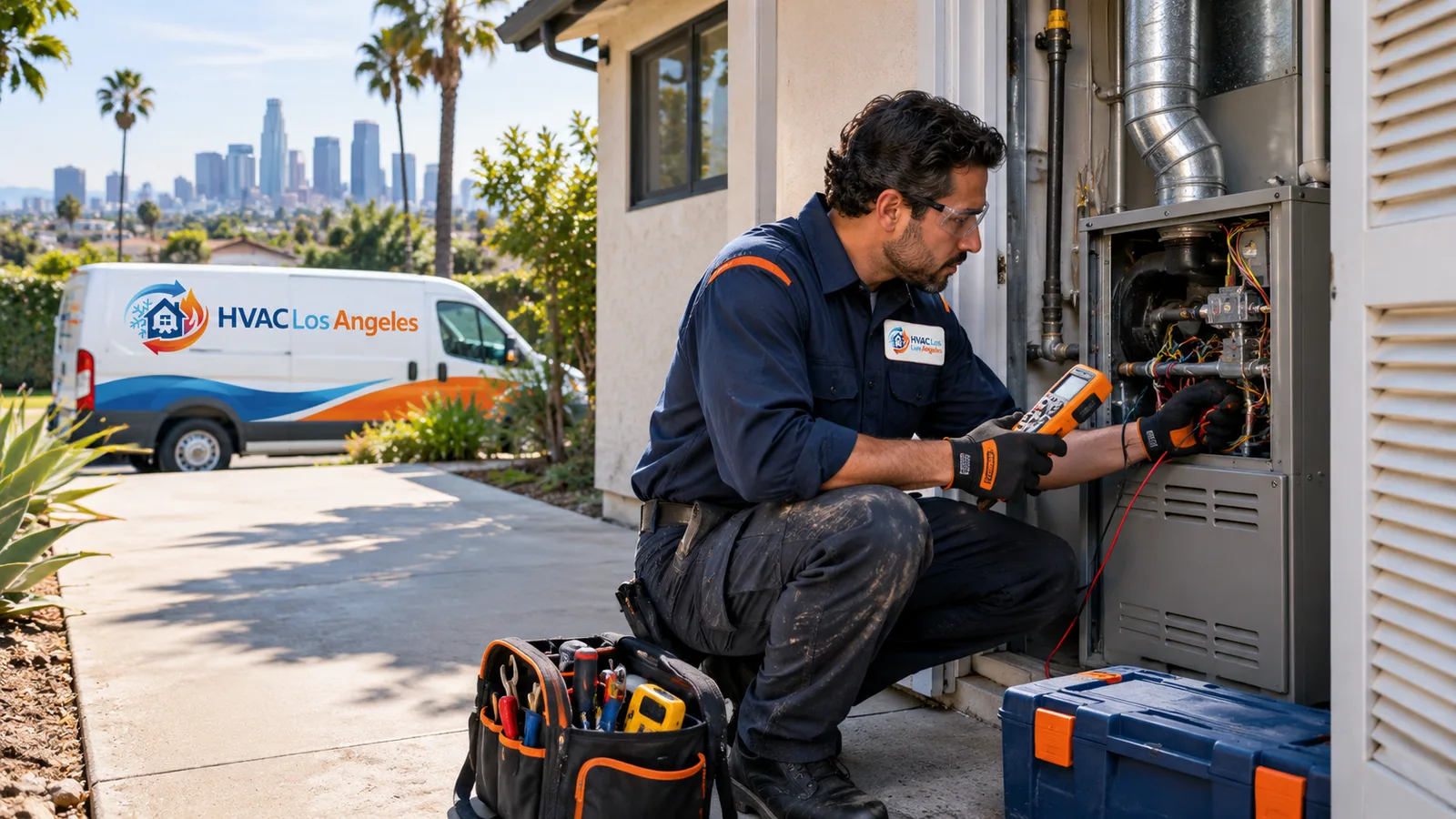
Furnace repair Los Angeles homeowners request often begins with a clear symptom: the burners will not stay lit, the blower runs without warm air, airflow has weakened, or rooms heat unevenly. Rattling, scraping, repeated clicking, short cycling, and unusual odors also deserve attention. A contractor can trace the symptom to the affected control, ignition, airflow, electrical, or combustion component rather than replacing parts based on a guess.
Los Angeles heating systems may sit idle through long stretches of mild weather, then show ignition or airflow trouble when cooler nights arrive. Dust buildup, a clogged filter, a failed igniter, a dirty flame sensor, a worn blower component, thermostat trouble, or a blocked condensate drain on a high-efficiency furnace can interrupt operation. Aging ducts and return-air restrictions may also make a working furnace seem weak.
We connect callers with hvac contractors in the Los Angeles area who handle furnace troubleshooting and repair. The conversation is direct. The contractor can discuss the symptoms, explain the diagnostic process, provide the quote, and answer questions about repair versus replacement. You decide whether to proceed.
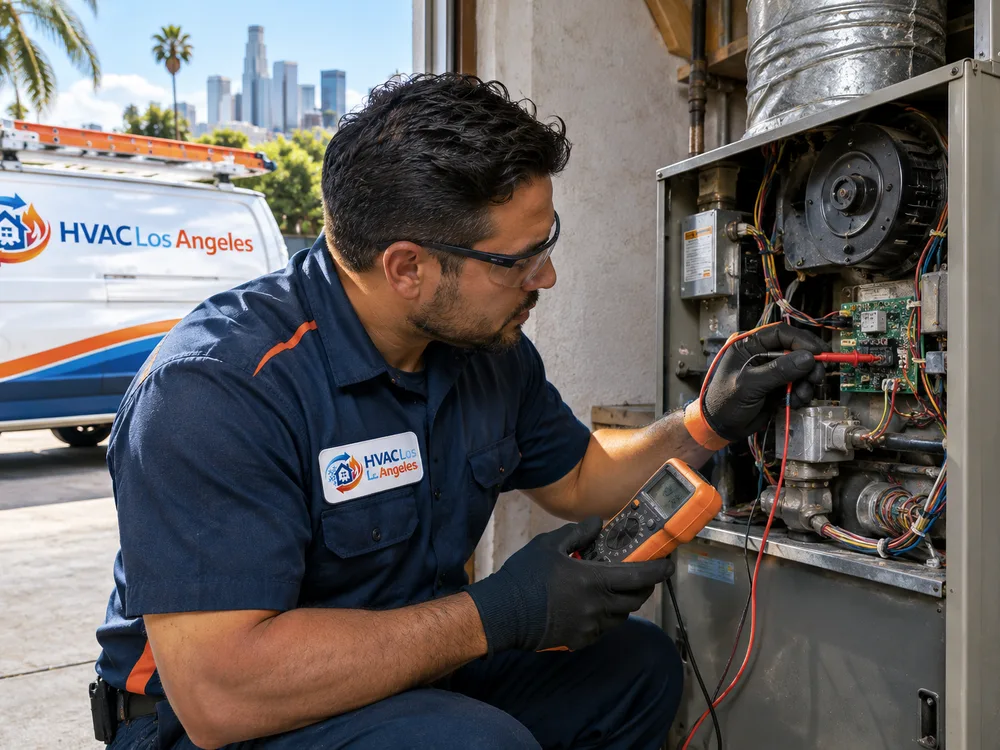
A contractor may inspect the igniter or pilot assembly, gas valve operation, flame sensor, burner condition, and the control board's sequence of operation.
Filter restriction, blower trouble, closed dampers, return-air limitations, and duct leakage can reduce airflow even when the furnace produces heat.
Frequent starts and stops may point to overheating, restricted airflow, thermostat placement, flame loss, an oversized system, or a failing control.
Scraping, squealing, vibration, or rattling can come from the blower wheel, motor, bearings, mounting hardware, or debris inside the cabinet.
The contractor can verify thermostat calls, low-voltage wiring, limit switches, pressure switches, relays, and board fault codes.
Gas furnaces require proper combustion air and exhaust flow. A contractor may examine vent connections, inducer operation, safety switches, and visible signs of heat-exchanger distress.
Enter your ZIP code and you are connected directly with a local furnace contractor who serves that area. There is no form or email wait.
Tell the contractor what the furnace is doing, whether the thermostat is calling for heat, and whether any fault light or unusual sound is present. The contractor can explain the next practical step.
A sound diagnosis follows the heating sequence: thermostat call, inducer start, pressure-switch response, ignition, flame proving, blower operation, and shutdown. The exact checks depend on the furnace design and symptom.
The contractor provides the quote and explains the proposed repair. If the equipment has extensive damage or recurring failures, ask for a clear comparison between repairing it and replacing it. The choice remains yours.
Stop working through contractor lists. One call connects you with a local furnace contractor, and you discuss the heating problem with that contractor directly.
CALL NOW: 424 577 5132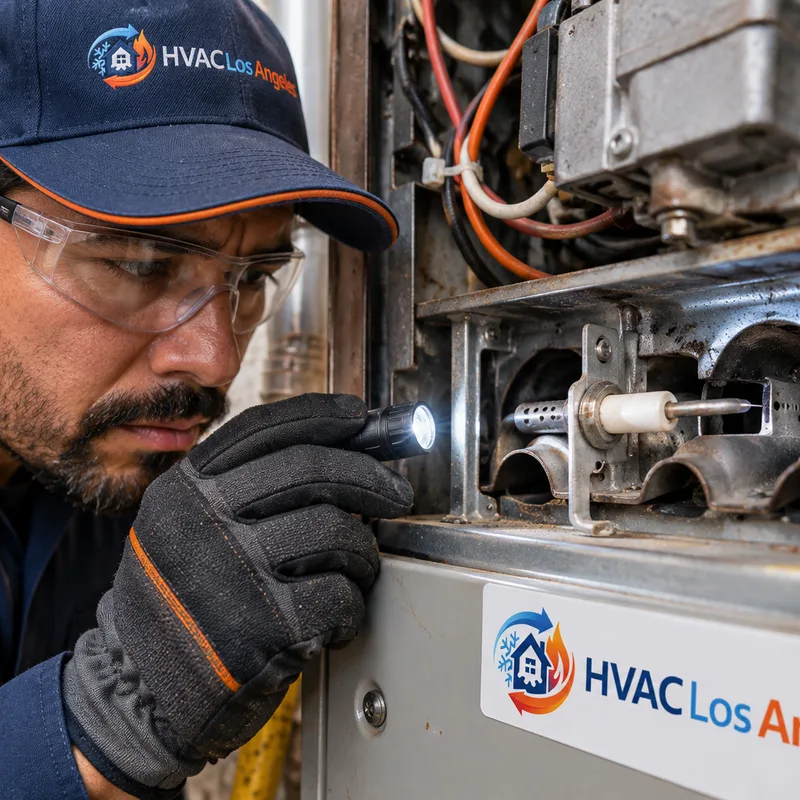
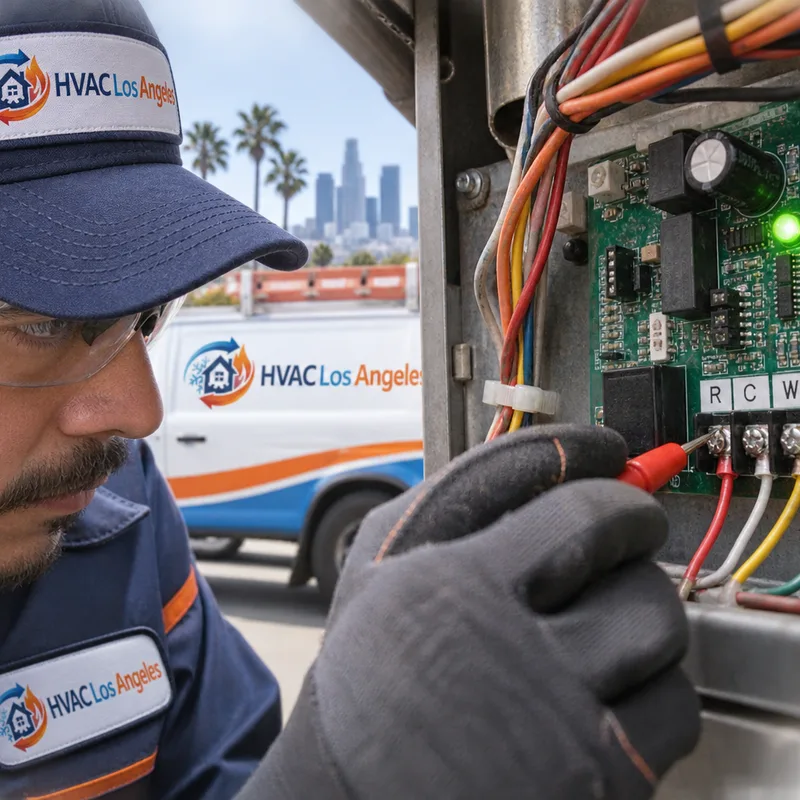
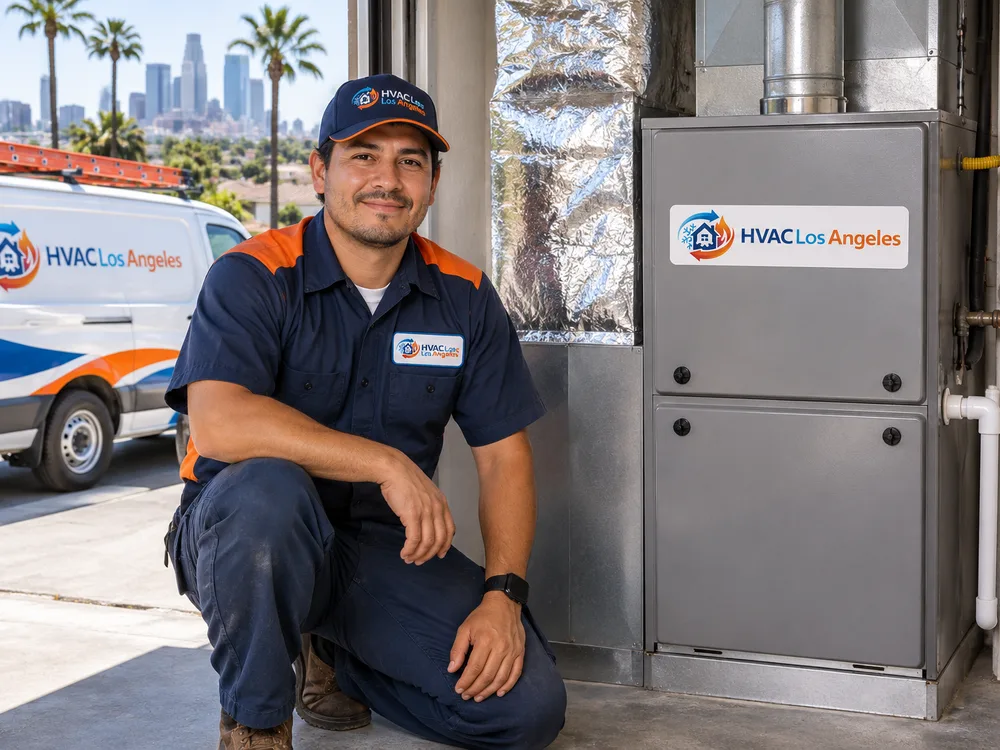
The contractor should confirm the reported symptom and test the relevant operating sequence before recommending a part. Depending on the fault, that may include thermostat signals, supply voltage, ignition, flame sensing, temperature rise, static pressure, blower amperage, venting, safety switches, and control-board codes.
A furnace that starts and stops early may be losing the flame signal, overheating because of restricted airflow, or opening a pressure or limit switch. A dirty flame sensor is one possible cause, but the contractor should test the system rather than assume that one part is responsible.
Uneven heat often involves airflow rather than heat production alone. The contractor may check filter condition, blower performance, supply registers, return-air paths, duct leakage, damper positions, and thermostat location. Multi-level Los Angeles homes can also develop noticeable temperature differences between floors.
Compare the options when a major component has failed, damage affects safe operation, parts are difficult to obtain, or the furnace has repeated faults. Ask the contractor to identify the failed component, explain the condition of the rest of the system, and state what work is included in each option.
The contractor confirms the symptom, shuts down power or fuel when required, opens the appropriate access panels, and tests the affected system. After an approved repair, the furnace should be reassembled and operated through a heating cycle so ignition, airflow, temperature response, and shutdown can be checked.
Ask why the part failed, whether another condition contributed to the failure, and whether related components were tested. You can also ask for the part description, the complete scope of work, and any manufacturer or contractor warranty terms before deciding.
Shut the furnace down if you notice a persistent gas odor, smoke, scorching, or signs of overheating, and avoid operating equipment that appears unsafe. Leave the building and contact the gas utility or emergency services if a gas leak is suspected. Southern California Gas Company provides gas-leak safety guidance for customers in its service territory.
Call and get connected with a local furnace contractor who serves your part of Los Angeles. You talk with the contractor directly, receive the quote from the contractor, and decide what happens next.