
Airflow inspection
The contractor checks the filter, return path, supply registers and blower operation. Weak airflow may point to a dirty component, a restrictive filter, a duct problem or an incorrect blower setting.
Serving Los Angeles, California & surrounding areas
Calls answered around the clock
One call connects you directly with a local AC contractor who maintains residential cooling systems in your area.
CALL NOW: 424 577 5132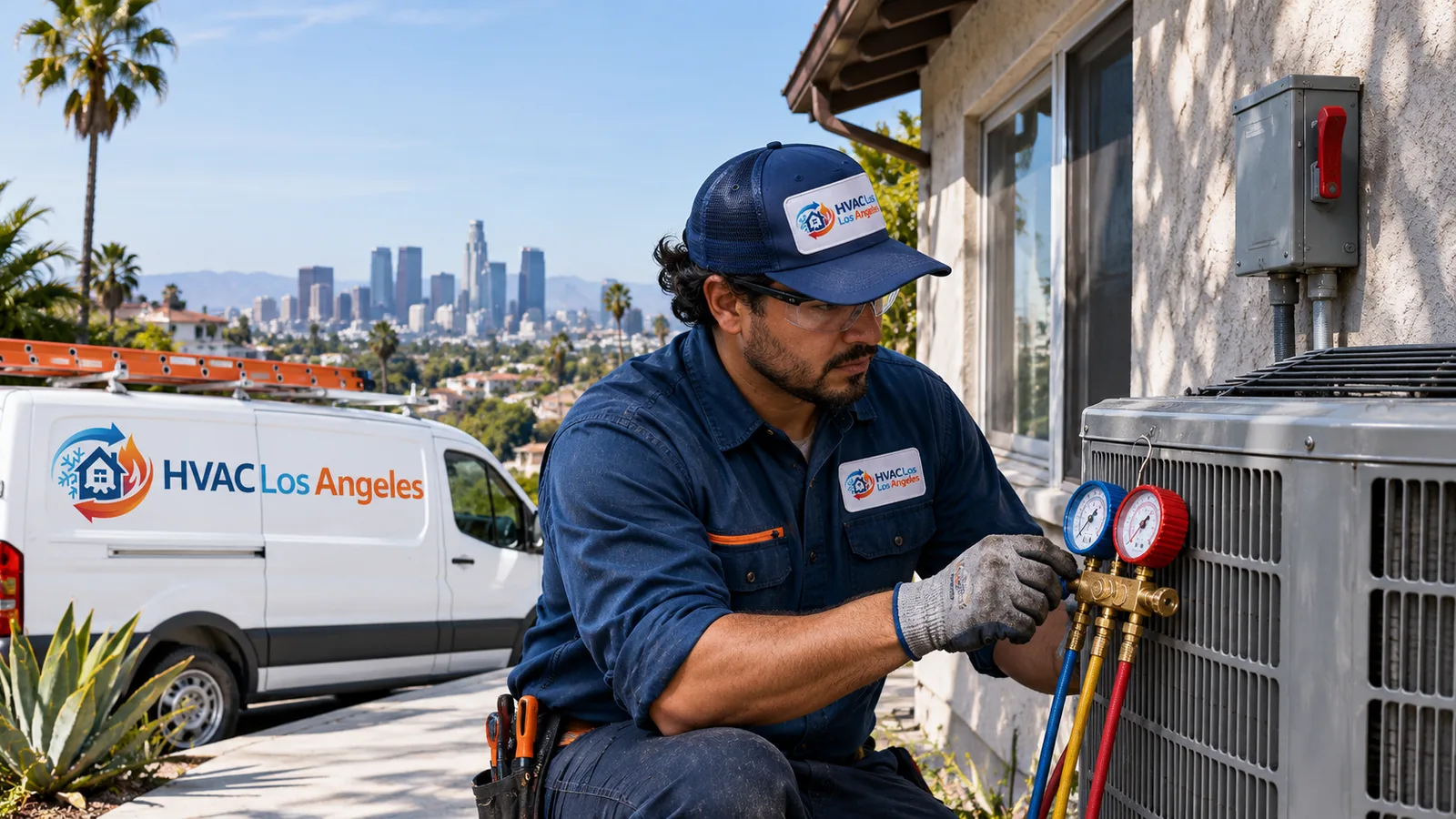
AC maintenance in Los Angeles prepares a cooling system for long periods of operation during hot, dry weather. Dust and airborne debris can coat the outdoor condenser coil, while a clogged filter or dirty indoor coil can restrict airflow. Either condition makes it harder for the system to move heat out of the house.
A thorough visit goes beyond changing the filter. The contractor should inspect the indoor and outdoor equipment, clean accessible components as needed, and run the system under normal operating conditions. Typical checks include the thermostat, electrical terminals, contactor, capacitors, blower assembly, condensate drain, refrigerant lines and temperature change across the indoor coil. Refrigerant should not be added automatically. If readings suggest an improper charge, the contractor should investigate why before recommending corrective work.
Local conditions affect maintenance priorities. Homes near the coast can expose outdoor equipment to salty air, while properties closer to foothill areas may collect dry vegetation and windblown debris around the condenser. In dense neighborhoods such as Koreatown, outdoor units may sit in tight side yards or on roofs, making safe access part of the visit. Older homes in areas such as West Adams may have aging electrical components or ductwork that deserve attention even when the equipment starts normally.
We connect callers with hvac companies serving the Los Angeles area that handle residential AC maintenance. You talk with the contractor directly, discuss the system and decide whether to proceed.
The contractor checks the filter, return path, supply registers and blower operation. Weak airflow may point to a dirty component, a restrictive filter, a duct problem or an incorrect blower setting.
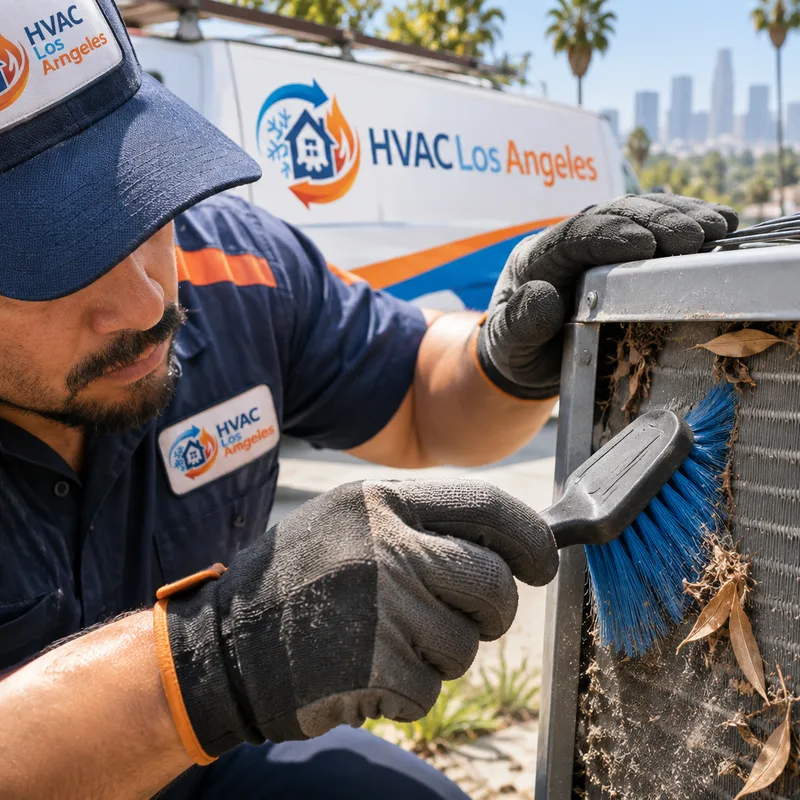
Debris on the condenser coil interferes with heat release. The contractor assesses coil condition and cleans accessible surfaces with methods suited to the equipment rather than using pressure that could bend fins.
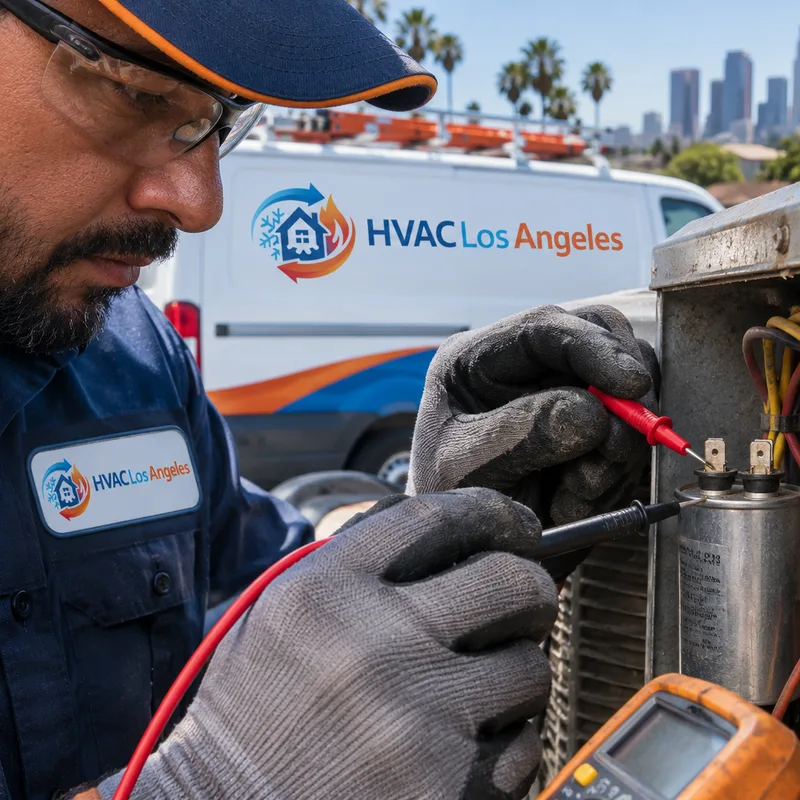
Loose terminals, worn contactors and weak capacitors can contribute to unreliable operation. Power is isolated before electrical components are inspected or tested.
The condensate pan, drain line and accessible fittings are checked for blockage or leakage. Drain trouble can cause water damage or shut down systems equipped with a safety switch.
After maintenance, the contractor runs the system and evaluates relevant readings such as temperatures, pressures and electrical draw. Those measurements help distinguish routine dirt buildup from a repair need.
One call connects you with a local contractor. There is no form or email wait, and the contractor provides the quote and answers questions about the proposed work.
Enter your ZIP code and you are connected directly with a local AC contractor who serves that ZIP.
Tell the contractor the system type if known, its approximate age, when it was last maintained and whether you have noticed weak airflow, unusual cycling, noise, odors or water near the indoor unit.
Ask which components are included, whether indoor and outdoor equipment will both be checked, and how the contractor handles findings that fall outside routine maintenance. The contractor gives the quote directly.
The contractor shuts off power where required, checks accessible components, completes agreed maintenance and operates the system afterward. You decide whether to approve any separately proposed repair.
Stop making separate calls to search for an AC contractor. One call connects you directly with a local contractor who handles residential cooling maintenance.
CALL NOW: 424 577 5132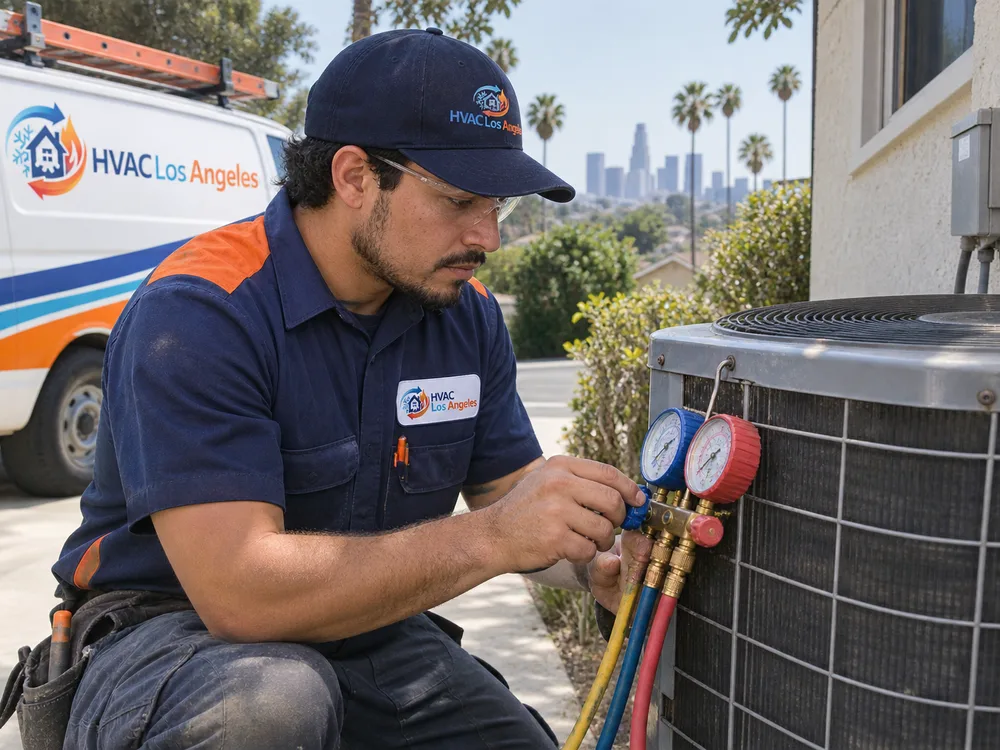
Many manufacturers recommend professional maintenance at least annually, but the equipment manual should guide the schedule. Systems that run heavily or collect substantial dust may need closer attention. Ask the contractor to recommend an interval based on the system type, condition and operating environment.
The exact scope depends on the contractor and equipment, so confirm it before approving the work. A comprehensive visit commonly includes inspection of the filter, coils, blower, drain, electrical components, thermostat and refrigerant circuit, followed by an operating test. Cleaning and adjustments should be identified clearly.
A filter change is useful but does not replace a full equipment inspection. The filter protects airflow and indoor components, while maintenance also addresses coils, drainage, electrical parts, controls and operating performance. The correct filter size and airflow rating matter as well.
Refrigerant should be added only when measurements and the equipment specifications show that it is needed. A sealed system does not consume refrigerant as part of normal operation. If the charge is low, ask the contractor about leak evaluation and the reason for any proposed addition.
Maintenance can correct performance problems caused by dirt, restricted airflow or minor adjustments, but it cannot resolve every cooling complaint. Uneven temperatures may involve duct leakage, poor return airflow, insulation, zoning or equipment sizing. The contractor should identify whether the symptom calls for maintenance, diagnosis or a separate repair.
Ask what was cleaned, which measurements were taken and whether any components showed wear or abnormal readings. Request a clear explanation of recommended repairs, including what happens if the work is postponed. You decide whether to authorize anything beyond the agreed maintenance.
Ductless mini-splits need maintenance too, but their components and cleaning procedures differ from central systems. Indoor heads contain filters, coils, blowers and drain paths that can collect dust or biological buildup. Tell the contractor what type of equipment you have so the proposed scope fits the system.
Call and get connected with a local AC contractor who serves your area. You speak with the contractor directly, review the proposed maintenance and decide what happens next. Calls are answered around the clock.