
Load and equipment sizing
A contractor evaluates floor area, insulation, windows, orientation, occupancy, and heat-producing appliances. A room-by-room load calculation provides a sound basis for equipment capacity and airflow.
Serving Los Angeles, California & surrounding areas
Calls answered around the clock
One call connects you directly with a local HVAC contractor who handles new and replacement system installations.
CALL NOW: 424 577 5132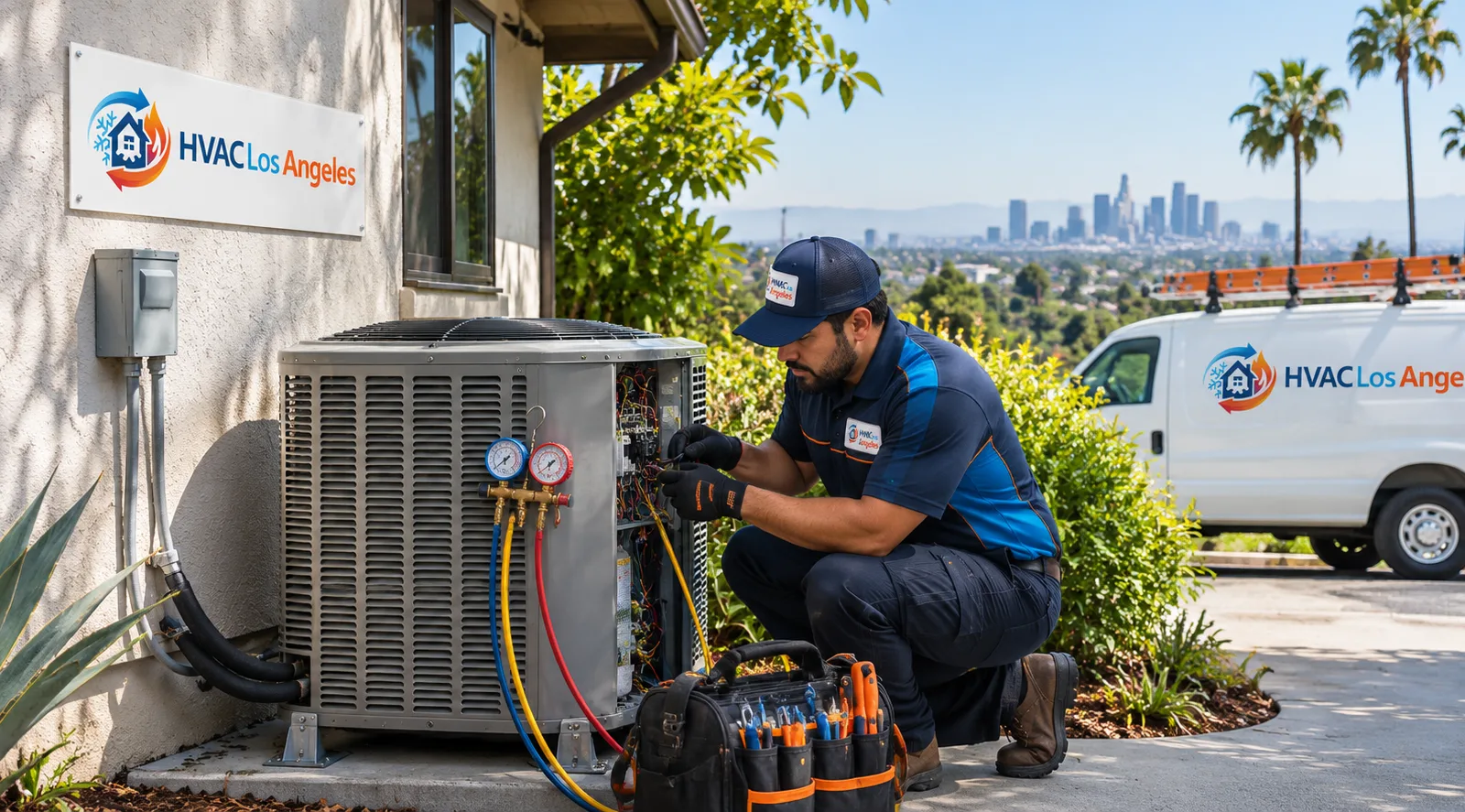
HVAC installation Los Angeles projects start with more than choosing an equipment brand. The contractor should calculate the heating and cooling load, inspect the electrical supply, evaluate the duct system, and identify practical locations for indoor and outdoor equipment. System size matters. Oversized equipment may cycle too often and control temperature poorly, while undersized equipment may struggle during hot weather.
The right configuration depends on the building. A central split system can use existing ducts when they are properly sized and in usable condition. A heat pump can provide both cooling and heating. Ductless mini-splits suit additions, converted spaces, and properties where installing full ductwork would be disruptive. Packaged equipment may be considered for some commercial buildings or homes with suitable roof access.
Los Angeles properties present varied installation conditions. Older homes in neighborhoods such as Echo Park may have limited service space and aging ducts that need careful evaluation. Dense lots in Koreatown can restrict condenser placement and complicate access. Larger homes in Encino may need zoning or multiple systems to control rooms with different exposures. Coastal influence near Venice can also make corrosion-resistant outdoor components and sensible equipment placement worth discussing.
We connect callers with local hvac contractors serving Los Angeles who can assess the property, discuss equipment choices, and provide the quote directly. The homeowner decides whether to proceed after speaking with the contractor.
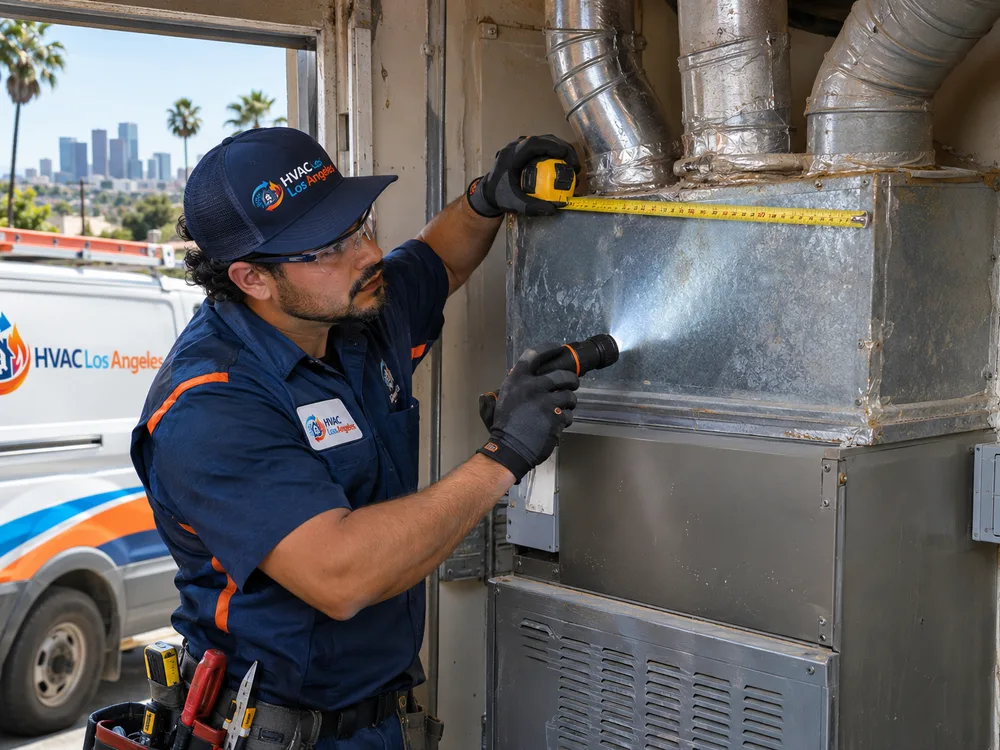
A contractor evaluates floor area, insulation, windows, orientation, occupancy, and heat-producing appliances. A room-by-room load calculation provides a sound basis for equipment capacity and airflow.
Existing supply and return ducts should be checked for sizing, leakage, damage, and restrictive transitions. The installer may recommend sealing, replacement, added returns, or balancing adjustments.
The contractor can compare central air conditioners, heat pumps, furnaces, ductless systems, and zoning controls according to the building and the owner's comfort goals.
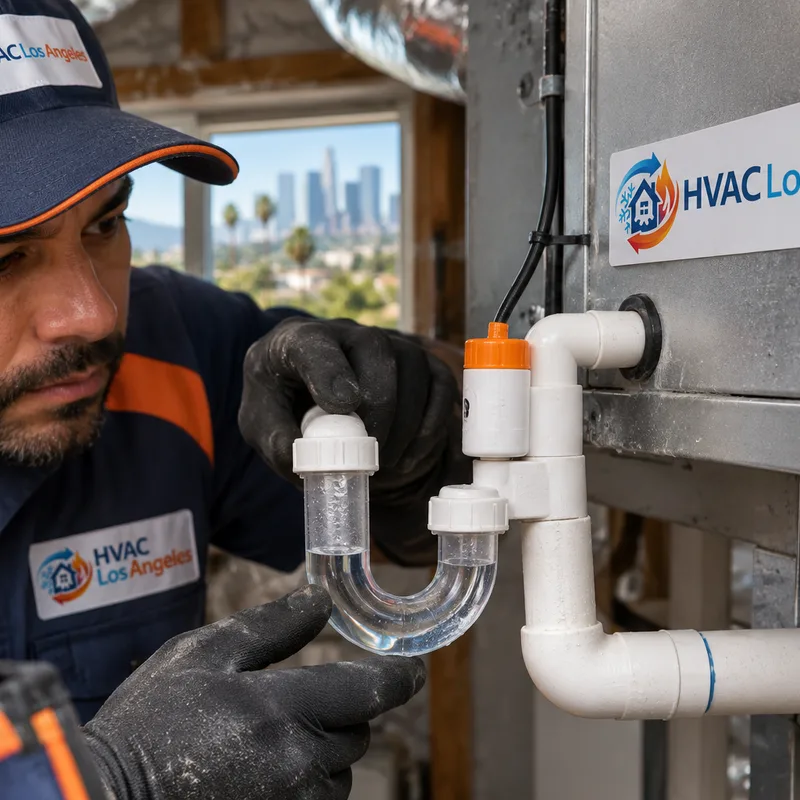
Installation may involve a dedicated circuit, disconnect, control wiring, condensate drain, overflow protection, and a suitable equipment pad or mounting system.
Work within the City of Los Angeles may require permits and inspections through the Los Angeles Department of Building and Safety. The contractor should explain which approvals apply to the proposed scope.
After installation, the installer should verify refrigerant charge, airflow, temperature change, thermostat operation, drainage, electrical readings, and system controls.
The contractor examines the building, existing equipment, ducts, electrical service, ventilation, condensate route, and available installation spaces. Replacement work also requires checking whether old components can remain.
The homeowner and contractor discuss capacity, fuel or electric operation, efficiency ratings, filtration, thermostat controls, noise, equipment placement, and any duct modifications. The contractor provides the quote and terms.
For a replacement, old equipment is disconnected and removed. The installer prepares the equipment base, connections, line-set route, drain, duct transitions, and electrical components needed for the selected system.
Indoor and outdoor units are set in place, then connected to the ductwork, refrigerant lines, electrical supply, controls, drainage, and any gas venting required by the equipment type.
The installer starts the system, checks operating conditions, tests controls and safety devices, and explains filter access and thermostat use. The homeowner should also receive the applicable equipment documents and ask about maintenance and warranty terms.
Skip the search through multiple HVAC companies. Call once and talk directly with a local contractor about the installation your property needs.
CALL NOW: 424 577 5132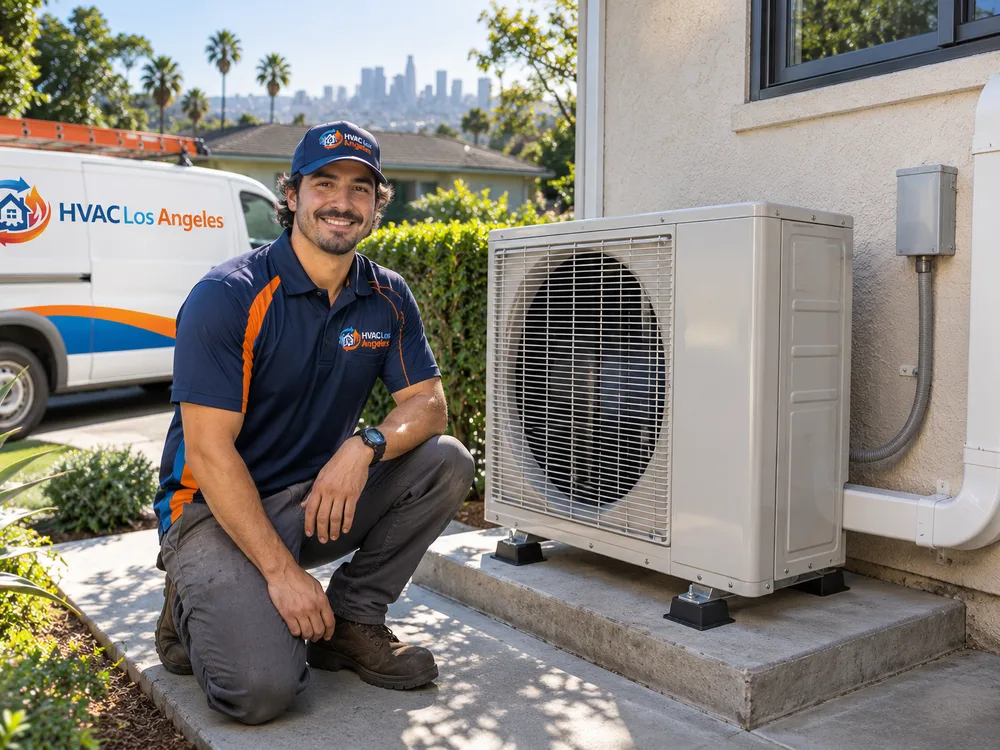
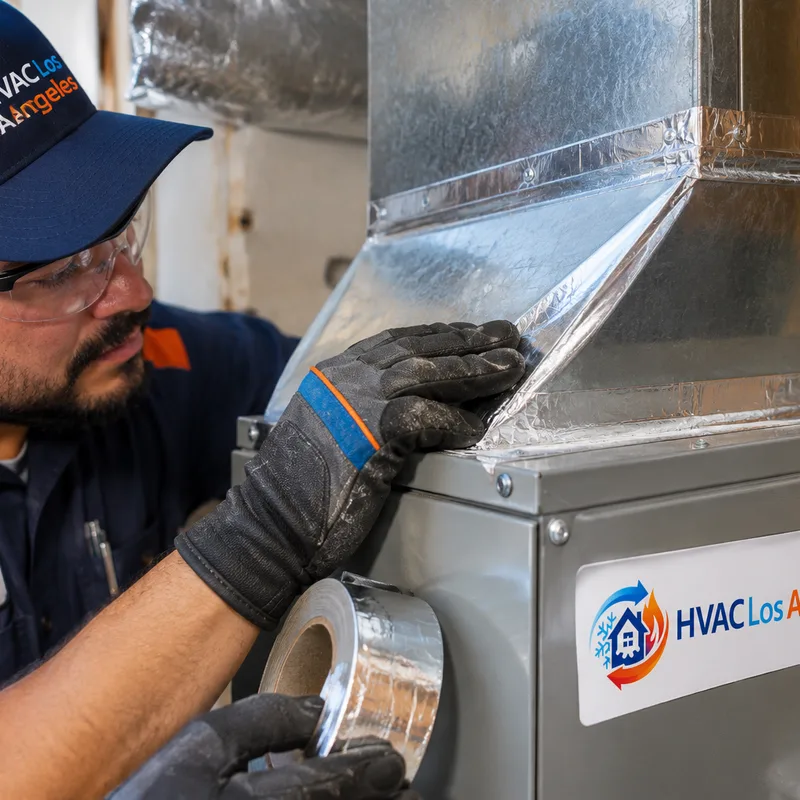
The indoor and outdoor equipment must be compatible as a system. A contractor should check the indoor coil, blower, refrigerant type, controls, furnace or air handler, and overall equipment condition before recommending a partial or complete replacement. Mixing incompatible components can reduce performance and create service problems.
Existing ducts can remain when their size, condition, layout, and airflow are suitable for the new equipment. The contractor should inspect accessible runs, plenums, returns, registers, insulation, and signs of leakage. New equipment cannot correct ducts that are undersized, disconnected, or poorly arranged.
A heat pump can provide both cooling and heating in the Los Angeles climate. The contractor should still size it for the specific building and examine electrical capacity, duct performance, equipment location, and the property's heating needs before recommending a model.
A ductless mini-split is often considered for an addition, garage conversion, detached space, or room that existing ducts do not serve well. It can also suit older buildings where adding full ductwork would require extensive alterations. The contractor should plan indoor head locations, condensate drainage, refrigerant lines, and outdoor unit placement.
Ask how the system was sized, which existing components will remain, whether duct or electrical work is included, and which permits or inspections apply. Request the exact equipment model numbers, scope exclusions, payment terms, project schedule, maintenance needs, and warranty terms directly from the contractor.
Call the number provided and enter your ZIP code. You are connected directly with a local HVAC contractor who serves that ZIP, and you decide what happens next after discussing the installation with the contractor.
One call connects you with a local HVAC contractor who handles installations in the Los Angeles area. Talk directly with the contractor about the property, available system options, and the proposed scope.